E-Filing – Meaning, Process, Benefits & Compliance in India
What is E-Filing?
E-filing (Electronic Filing) refers to the process of submitting tax returns or forms online through an authorized digital platform instead of filing them physically.
In simple terms:
You file your tax return online using the official portal—no paperwork, no physical submission.
E-Filing in India
In India, e-filing is done through the official portal of the Income Tax Department.
Taxpayers can file:
- Income Tax Returns (ITR)
- TDS returns
- Various tax-related forms and declarations
Who Should File Returns via E-Filing?
E-filing is mandatory for:
- Individuals with income above the basic exemption limit
- Companies and LLPs
- Individuals requiring audit
- Taxpayers claiming refunds
- Certain categories as notified by the government
Types of Returns Filed Through E-Filing
- ITR-1 (Salaried individuals)
- ITR-2, ITR-3 (Business/profession income)
- ITR-4 (Presumptive income)
- TDS and other compliance forms
Process of E-Filing
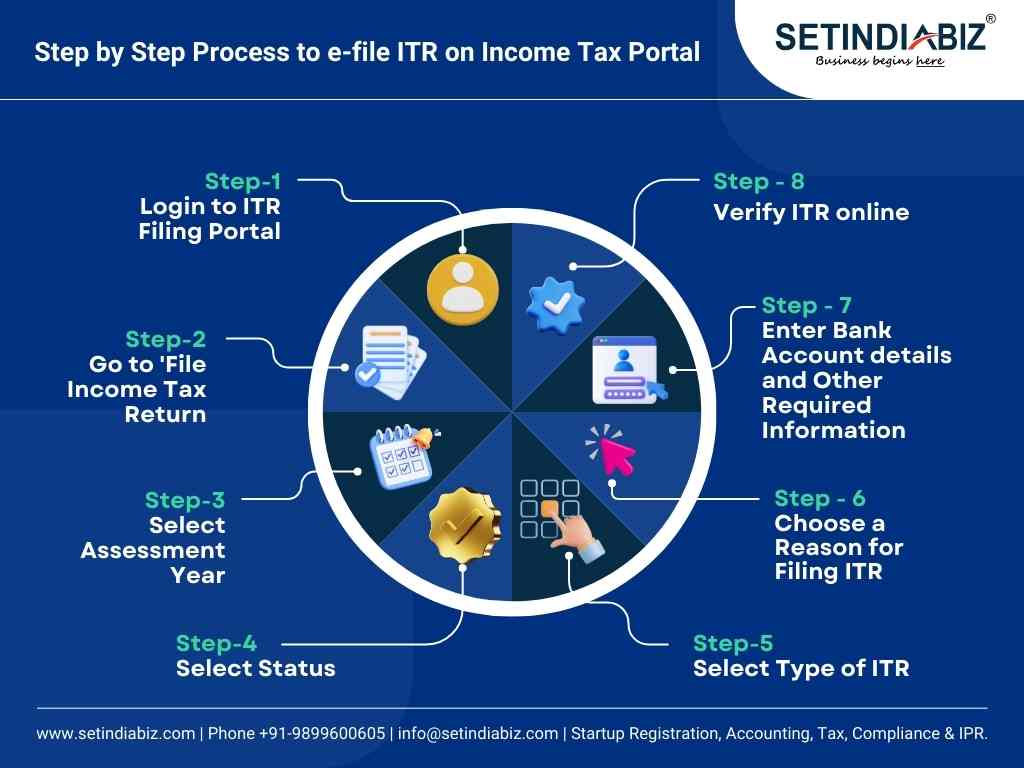
Step 1: Login
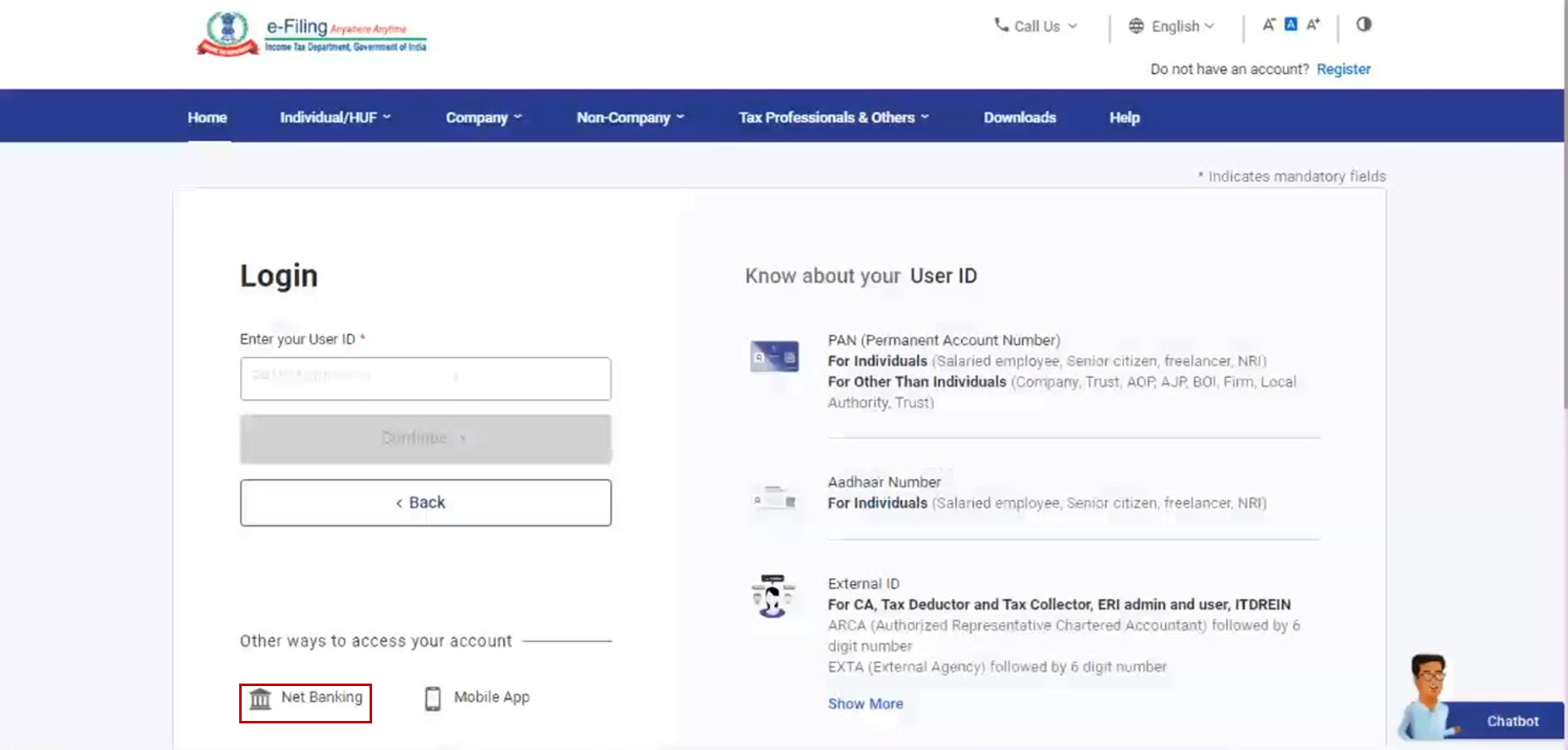
Access the e-filing portal using PAN/Aadhaar credentials.
Step 2: Select ITR Form
Choose the correct return form based on income type.
Step 3: Enter Details
Fill in income, deductions, and tax details.
Step 4: Validate & Submit
Review the return and submit online.
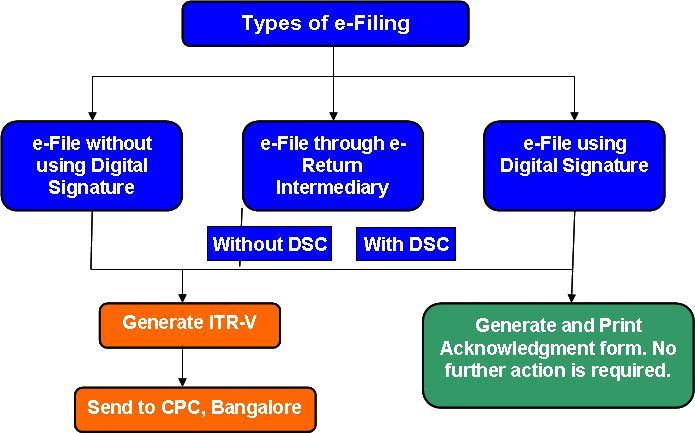
Step 5: Verification
Verify using:
- Aadhaar OTP
- Net banking
- Digital signature
- EVC (Electronic Verification Code)
Benefits of E-Filing
1. Convenience
File returns anytime, anywhere.
2. Faster Processing
Refunds are processed quicker compared to manual filing.
3. Accuracy
System validations reduce errors.
4. Secure & Paperless
No physical documents required.
5. Easy Record Keeping
Returns are stored digitally for future reference.
Common Mistakes in E-Filing
- Selecting the wrong ITR form
- Not reporting all sources of income
- Incorrect deduction claims
- Not verifying the return after submission
- Mismatch with Form 26AS or AIS
Compliance Requirements
- Filing must be completed before the due date
- Verification is mandatory (otherwise return is invalid)
- Proper disclosure of income and assets is required
Example
A salaried individual logs into the e-filing portal:
- Selects ITR-1
- Fills salary and deduction details
- Submits the return
- Verifies using Aadhaar OTP
Return is successfully filed online without paperwork.
Key Points to Remember
- E-filing is mandatory for most taxpayers
- Verification is essential for completion
- Accurate reporting avoids notices
- Digital filing simplifies compliance
Conclusion
E-filing has simplified the tax filing process by making it faster, more accurate, and accessible. Understanding the correct process ensures smooth compliance and helps avoid errors or penalties.